When a Market Becomes a Living Art Museum: Pagad Festival’s ‘Playing with Objects’
Discover how Everywhere Gallery transformed Chiang Rai's historic central fresh market into a vibrant Living Art Museum during the 2nd Pagad Festival.
“Bringing people back to the market isn't about asking them to shop the old way; it is about offering a fresh creative lens that reveals how extraordinary everyday life truly is.”
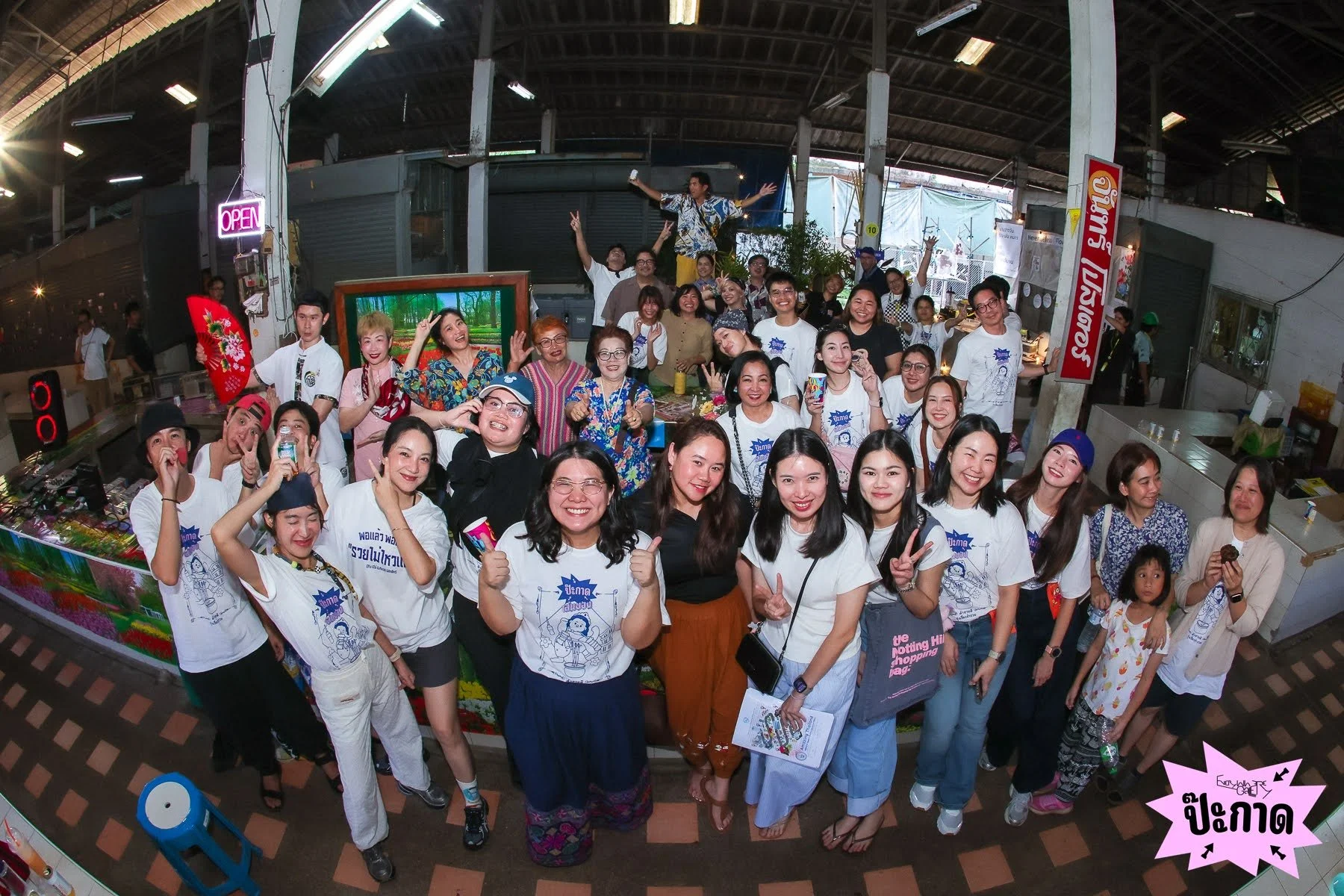
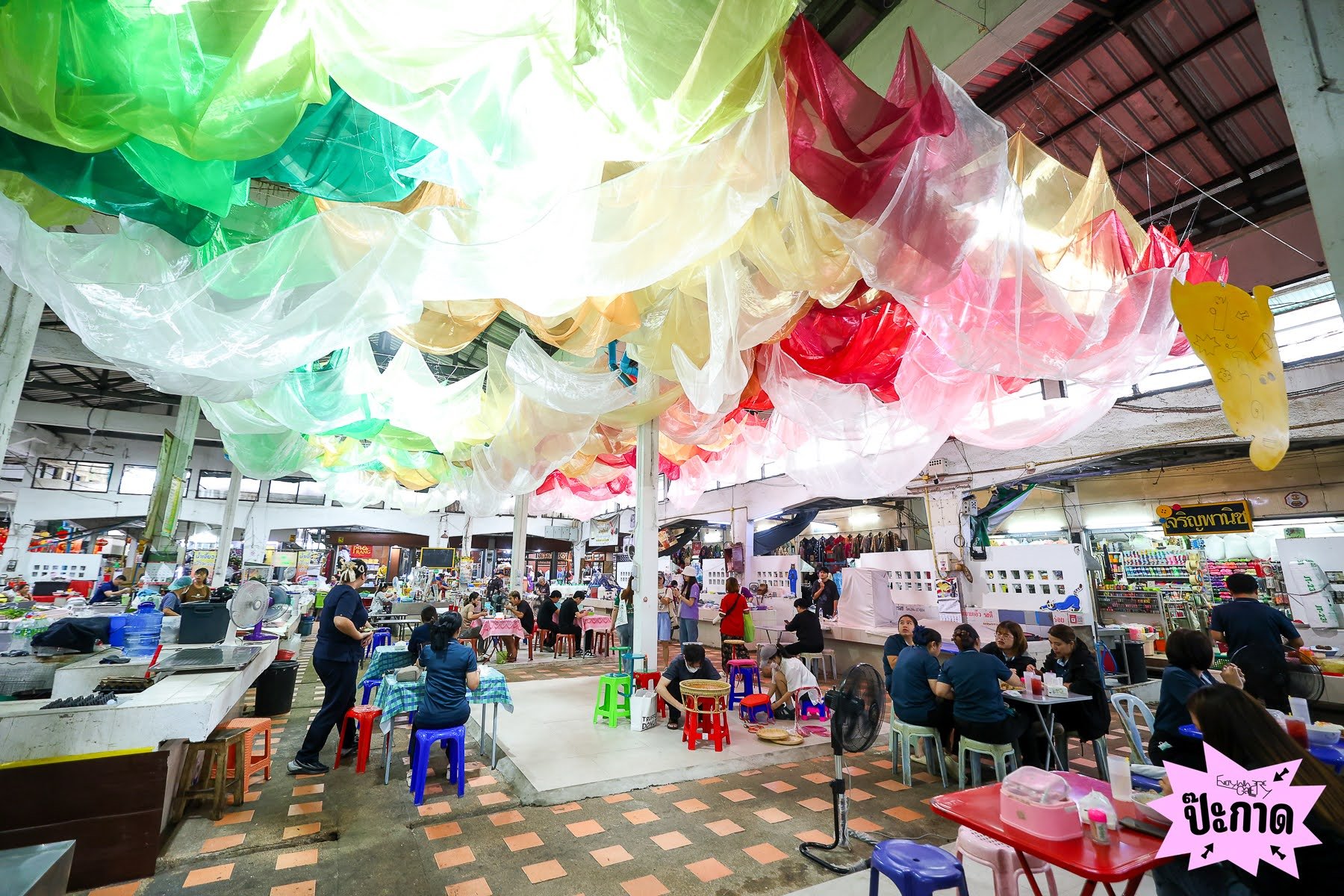
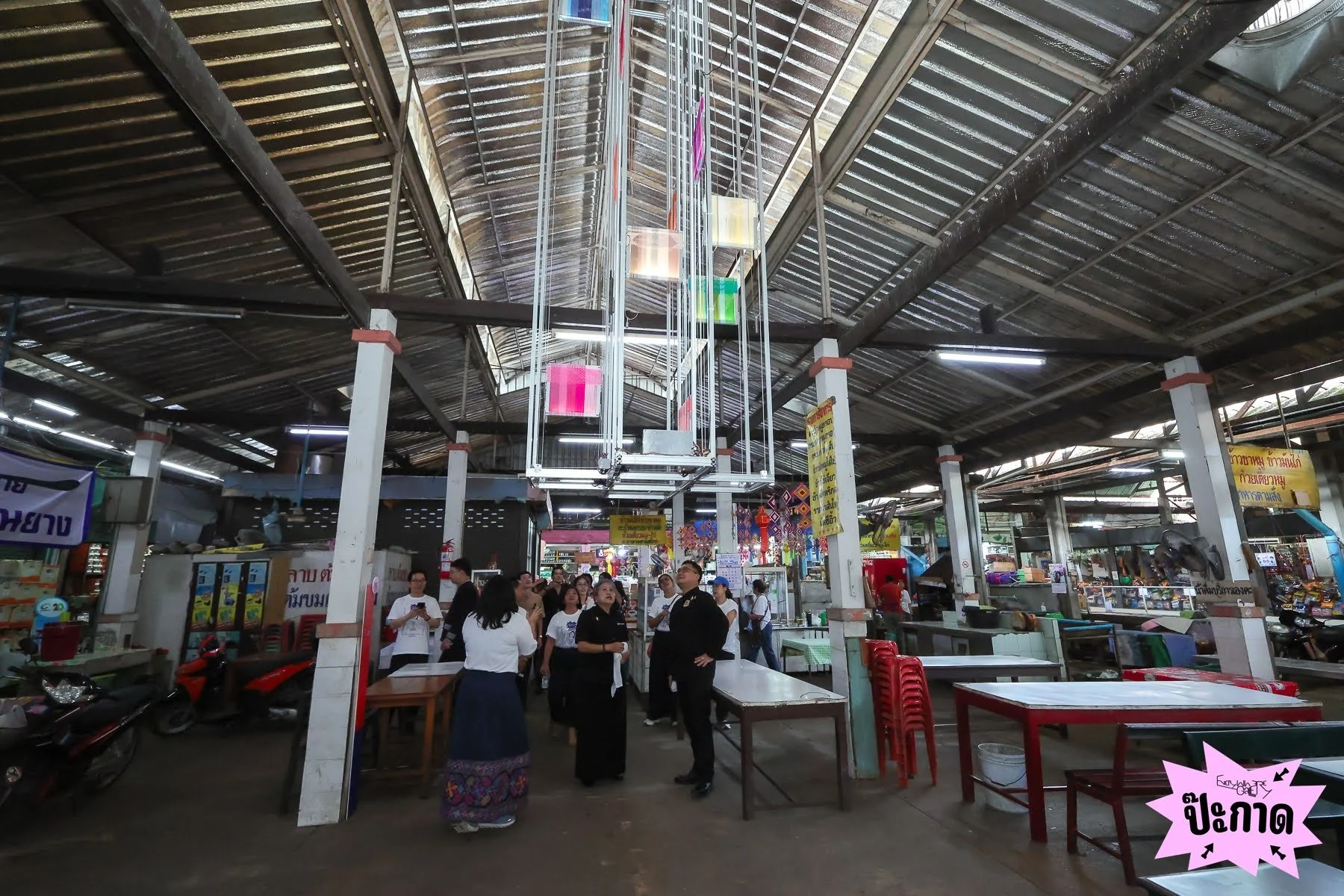
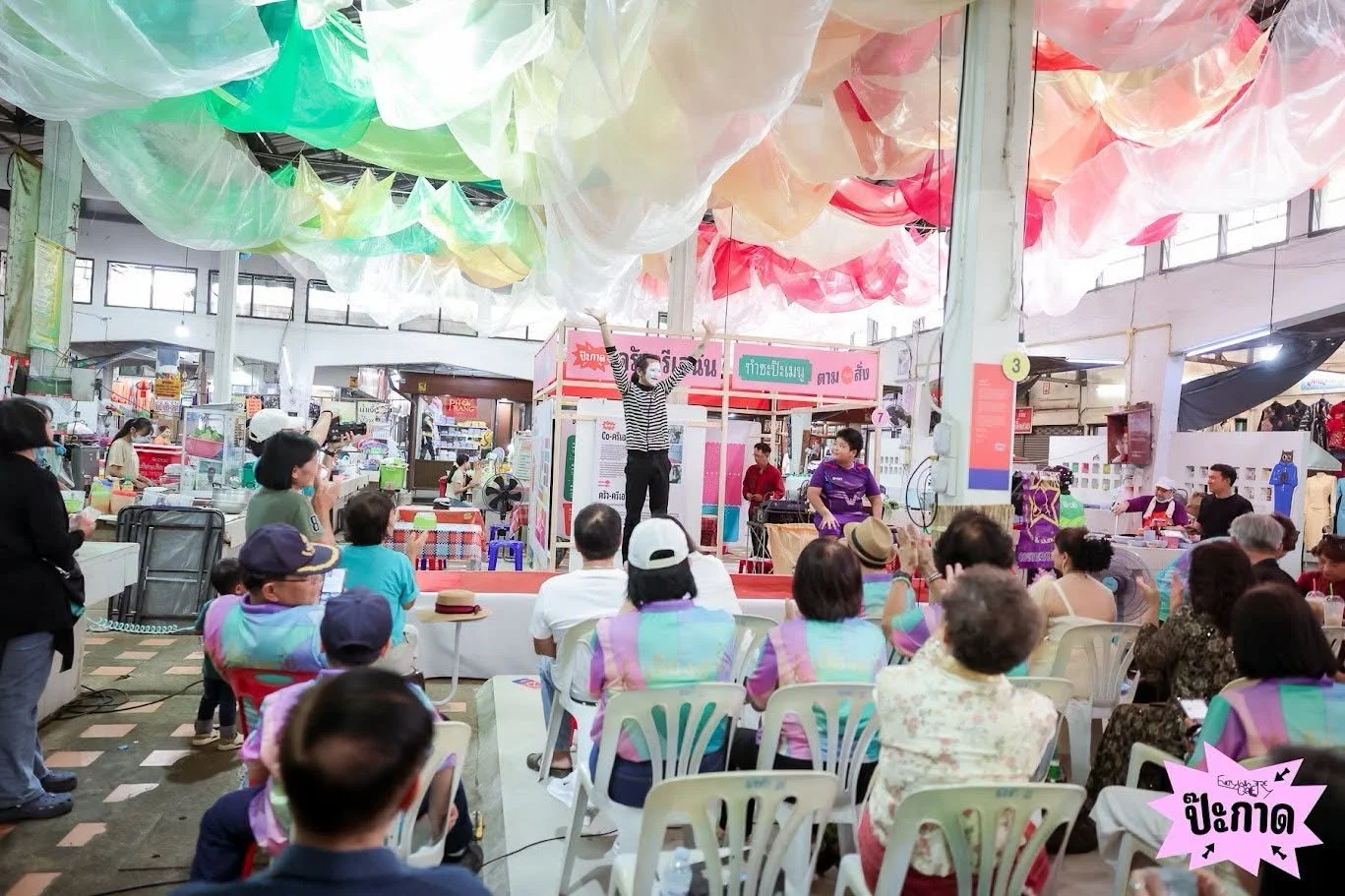
Amidst the rhythmic thud of butcher cleavers, the rich aroma of northern curry pastes, and the lively banter of bargaining at Kad Luang (Municipal Market 1), an unexpected transformation has taken place. A traditional fresh market, often perceived as fading under the weight of modernization, has been revitalized into a “Living Art Museum.”
This is the flagship exhibition of the 2nd Pagad Festival, curated under the concept “Len Khong” (Playing with Objects) by Everywhere Gallery. The initiative embodies their core philosophy: “Every space is a gallery, and contemporary art must breathe alongside the community and everyday life.”
From Commercial Goods to Contemporary Art
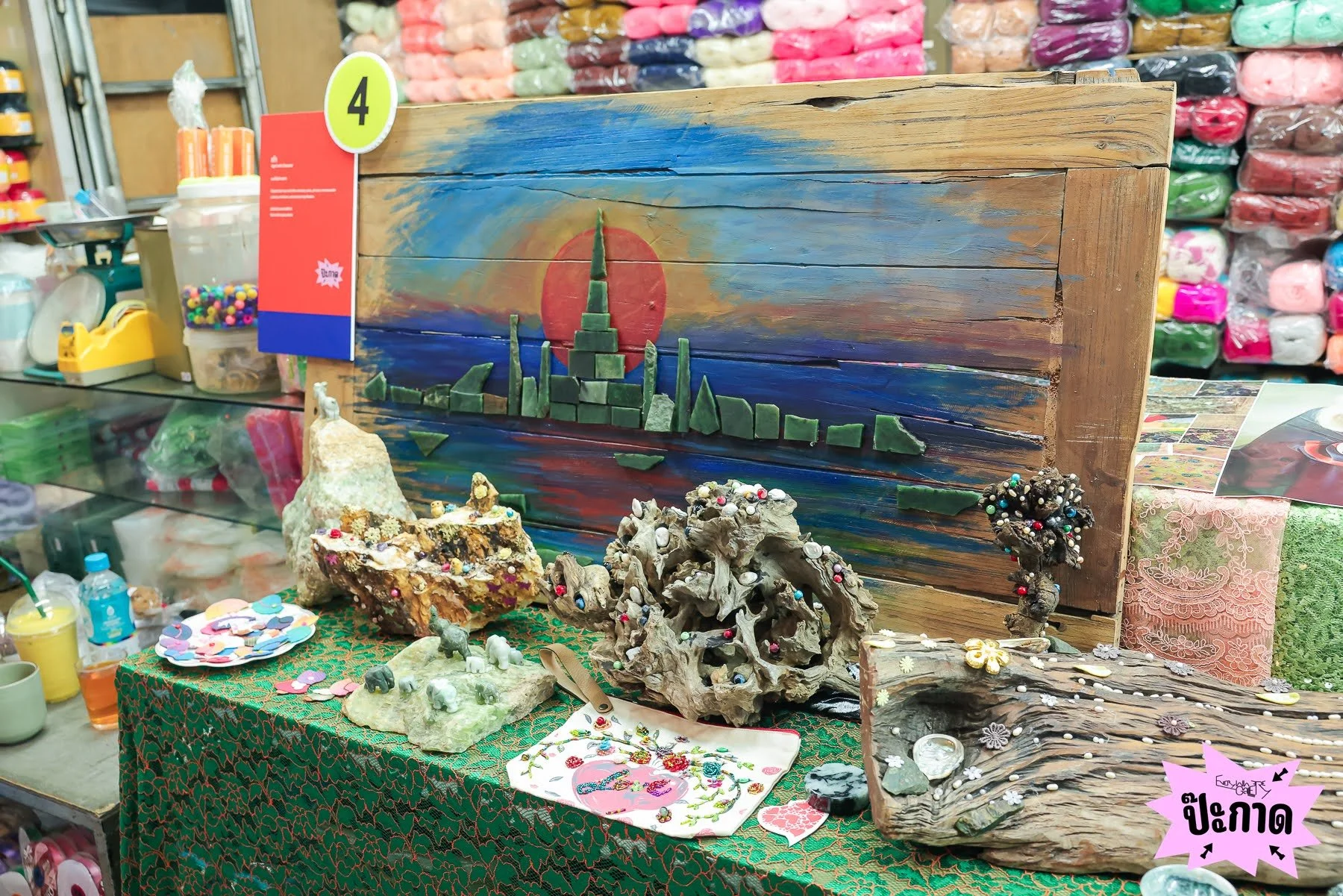
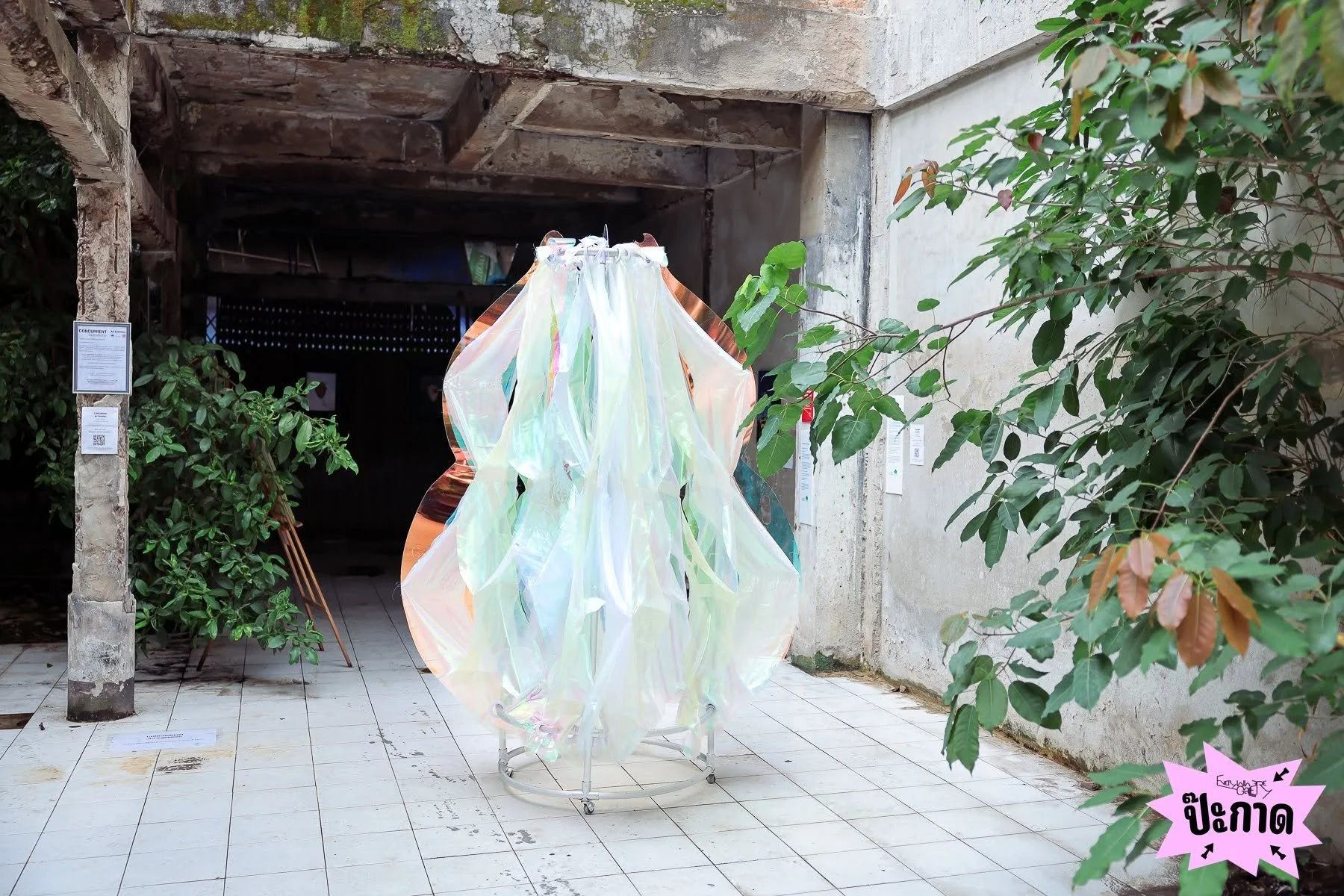
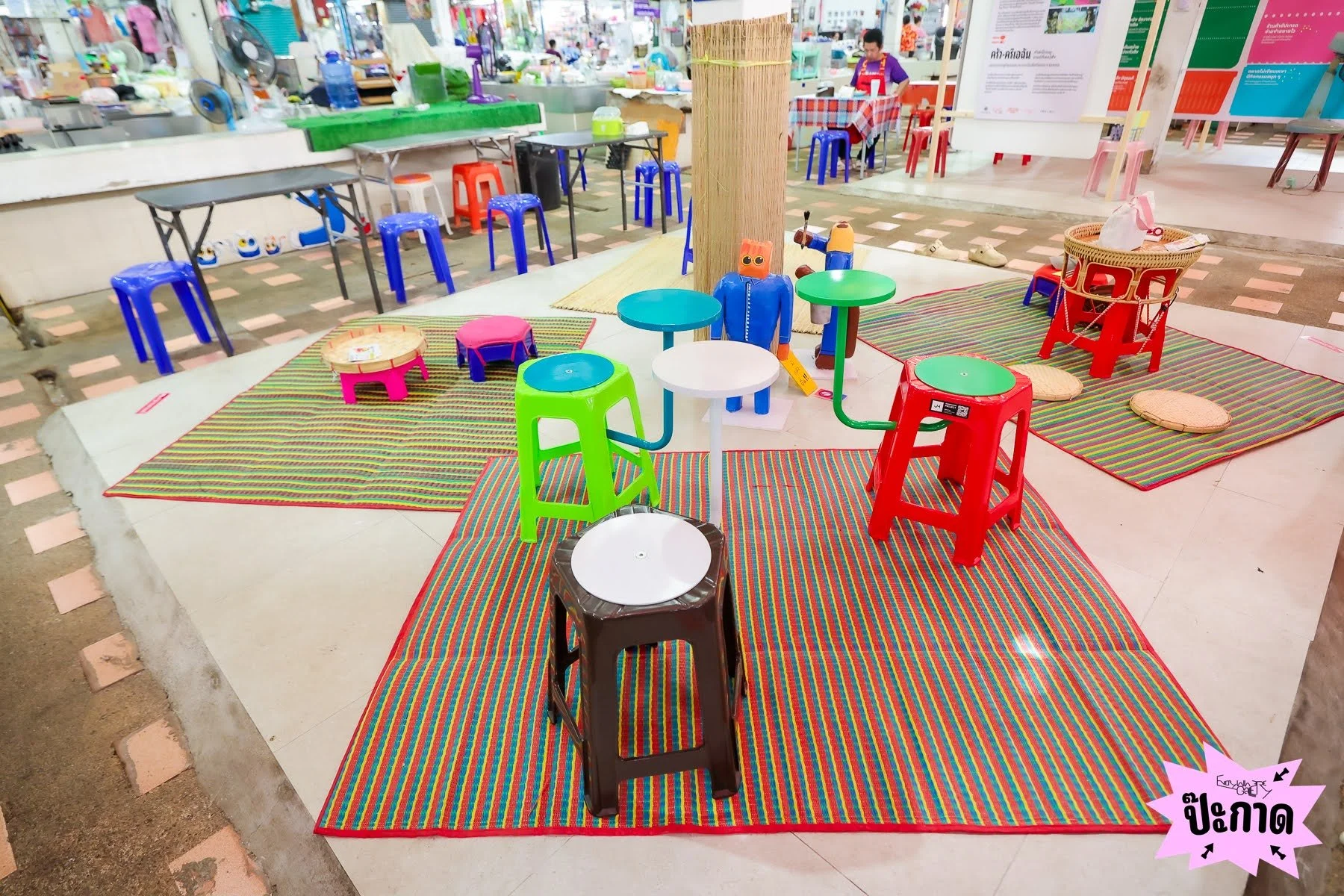
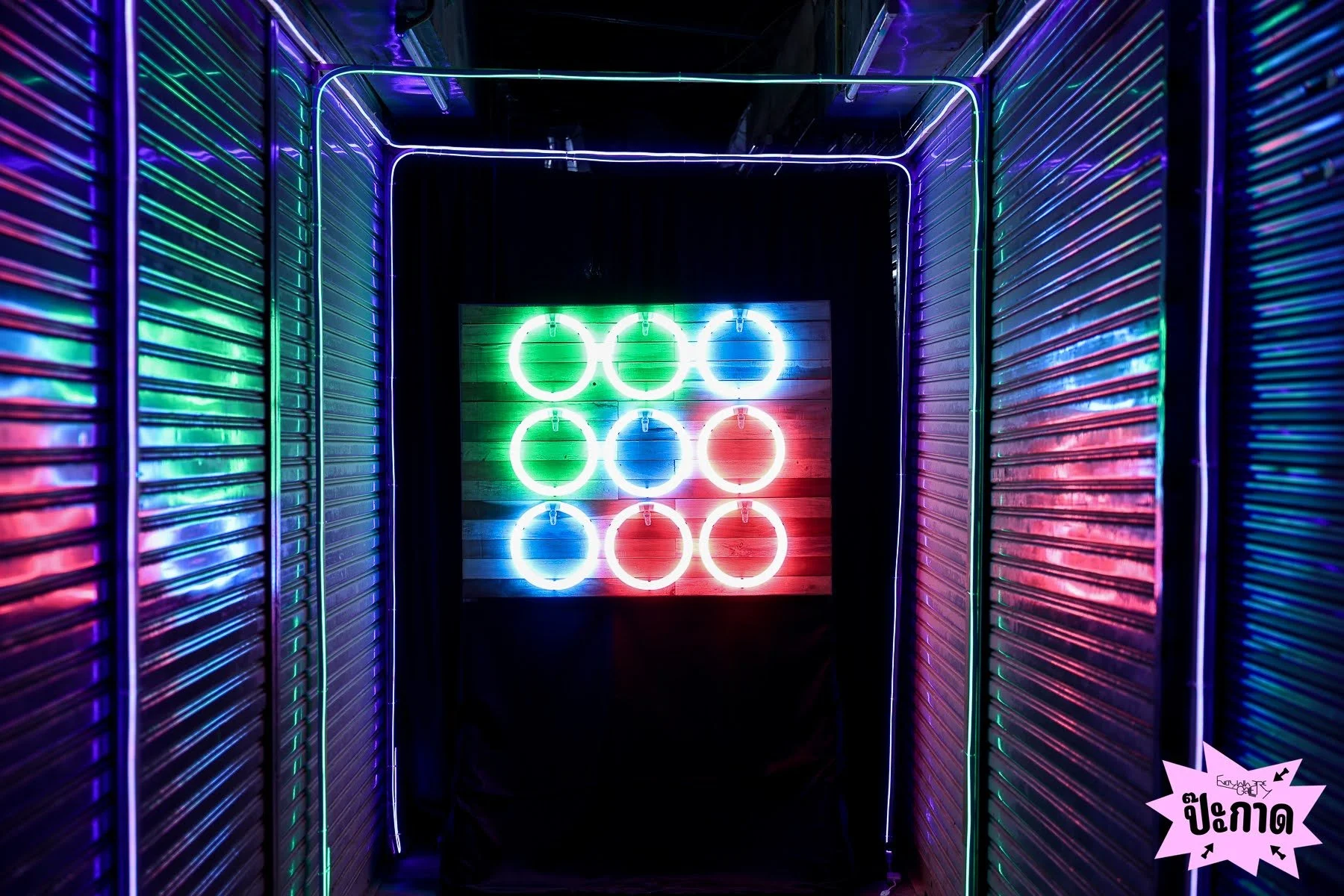
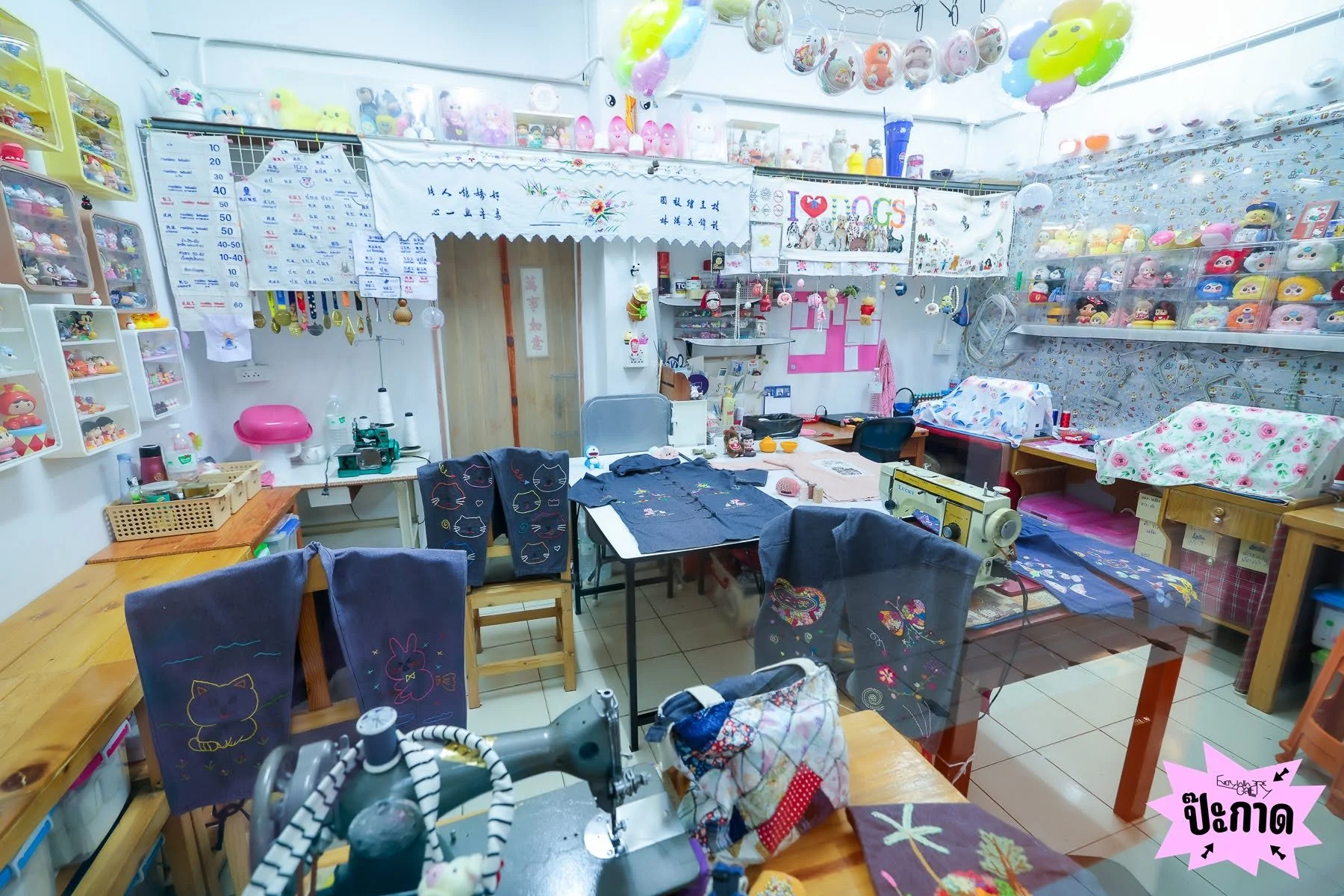
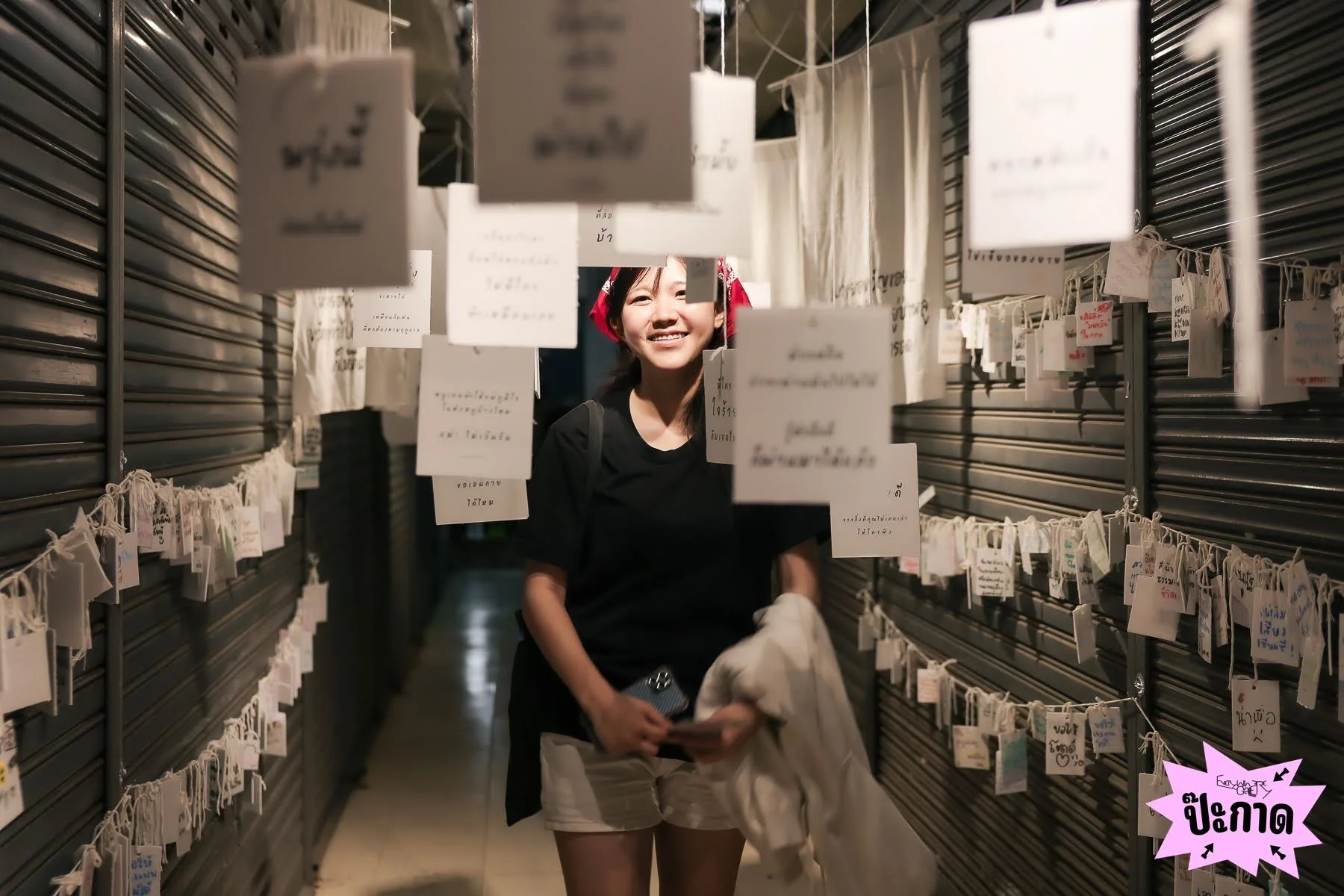
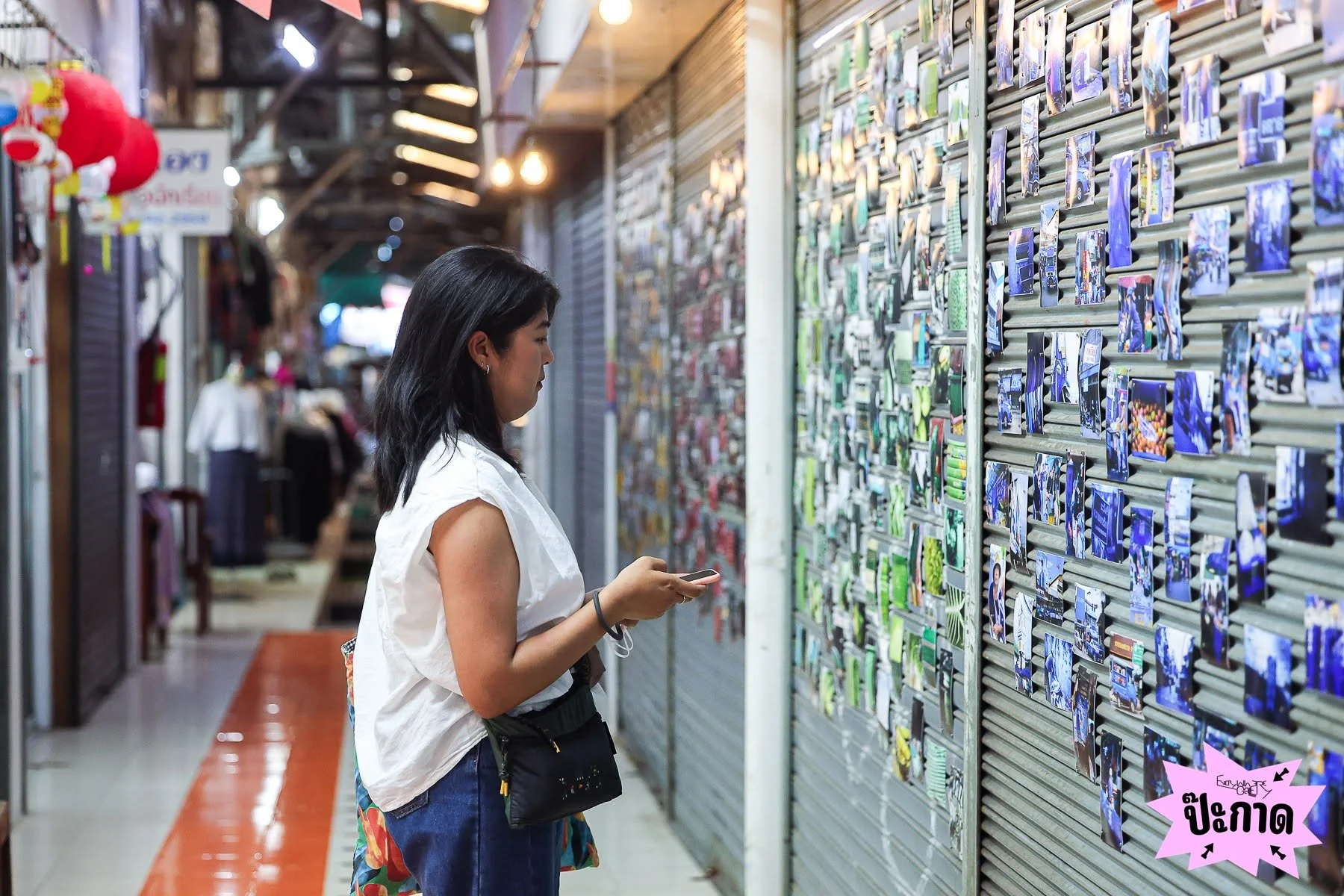
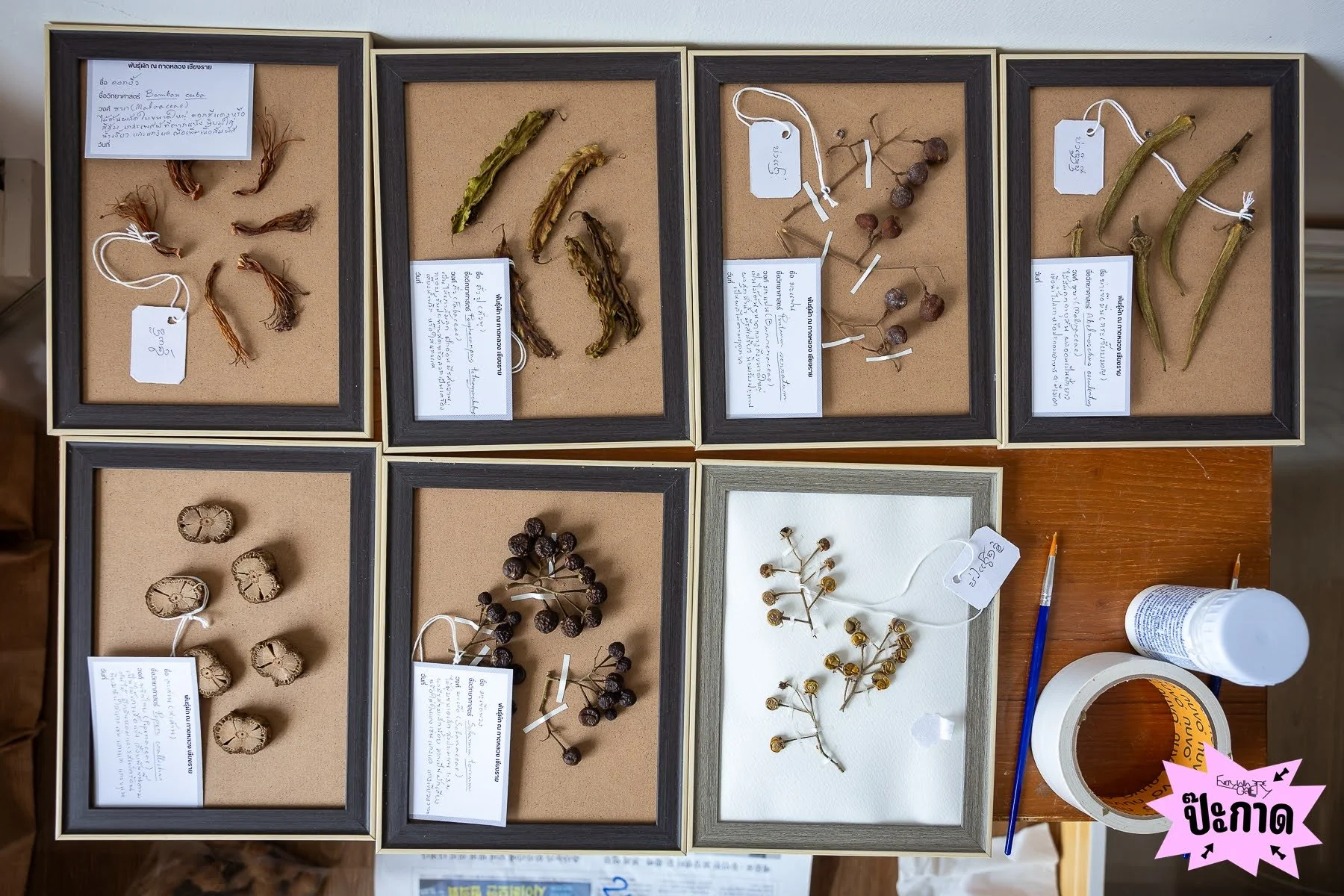
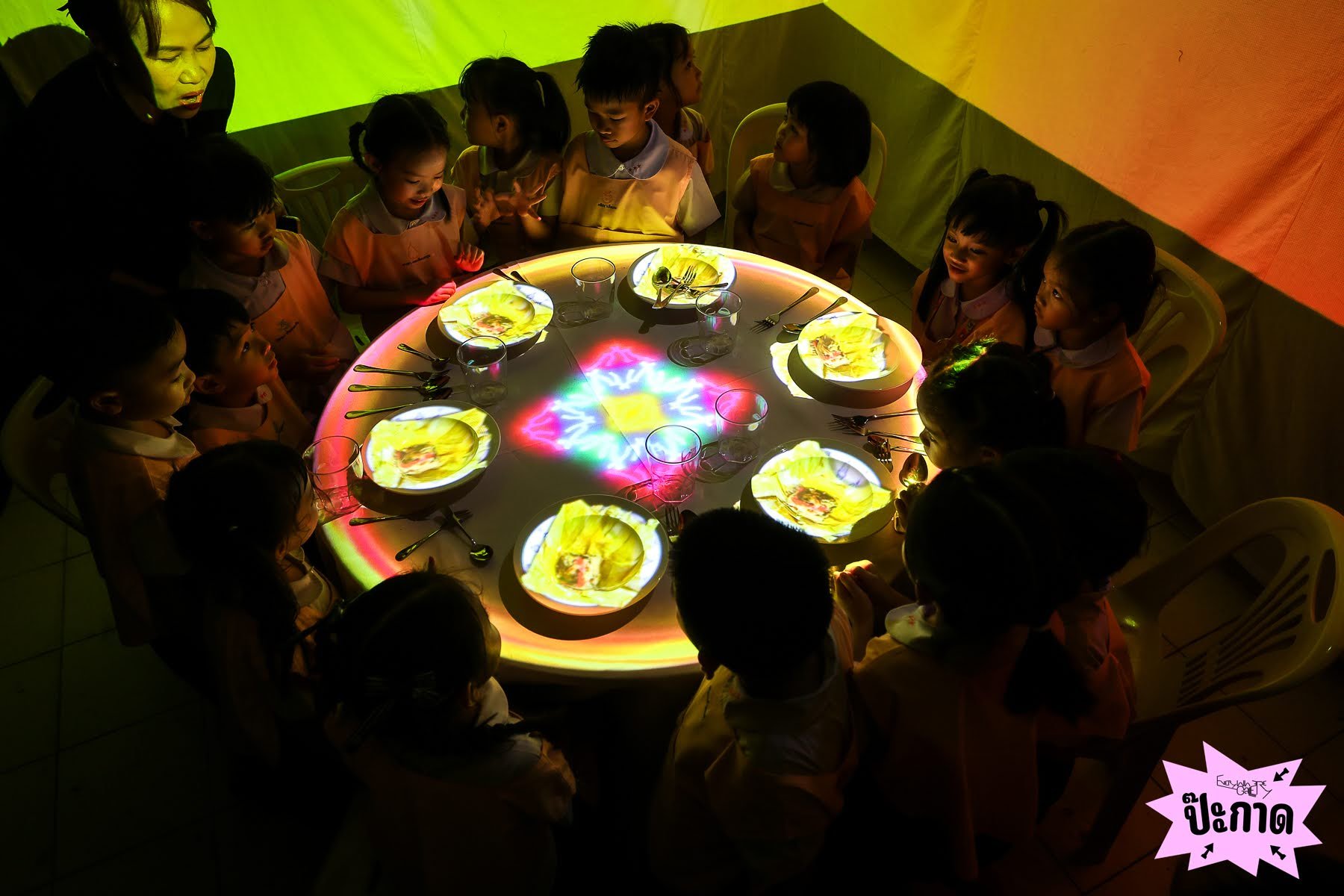
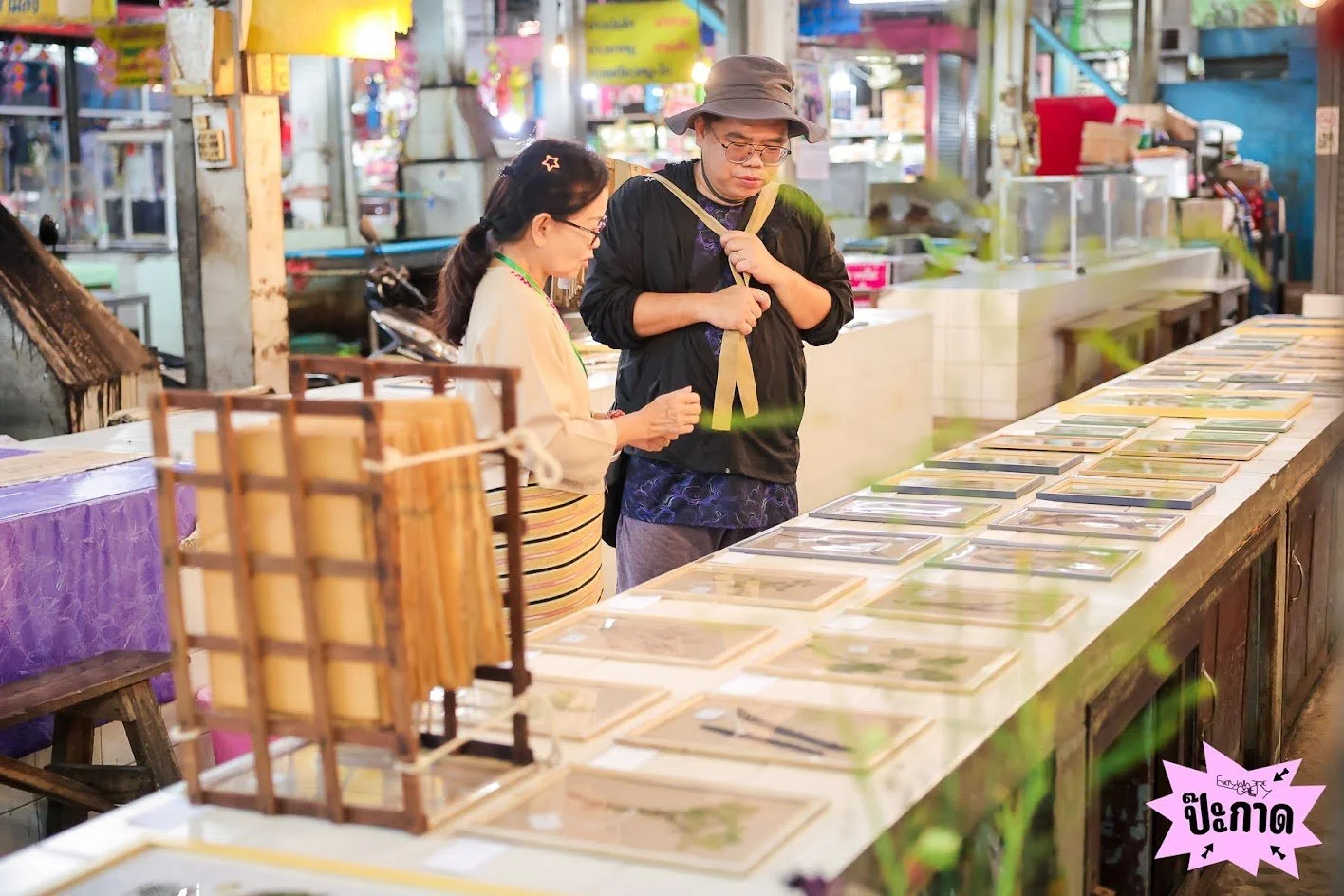
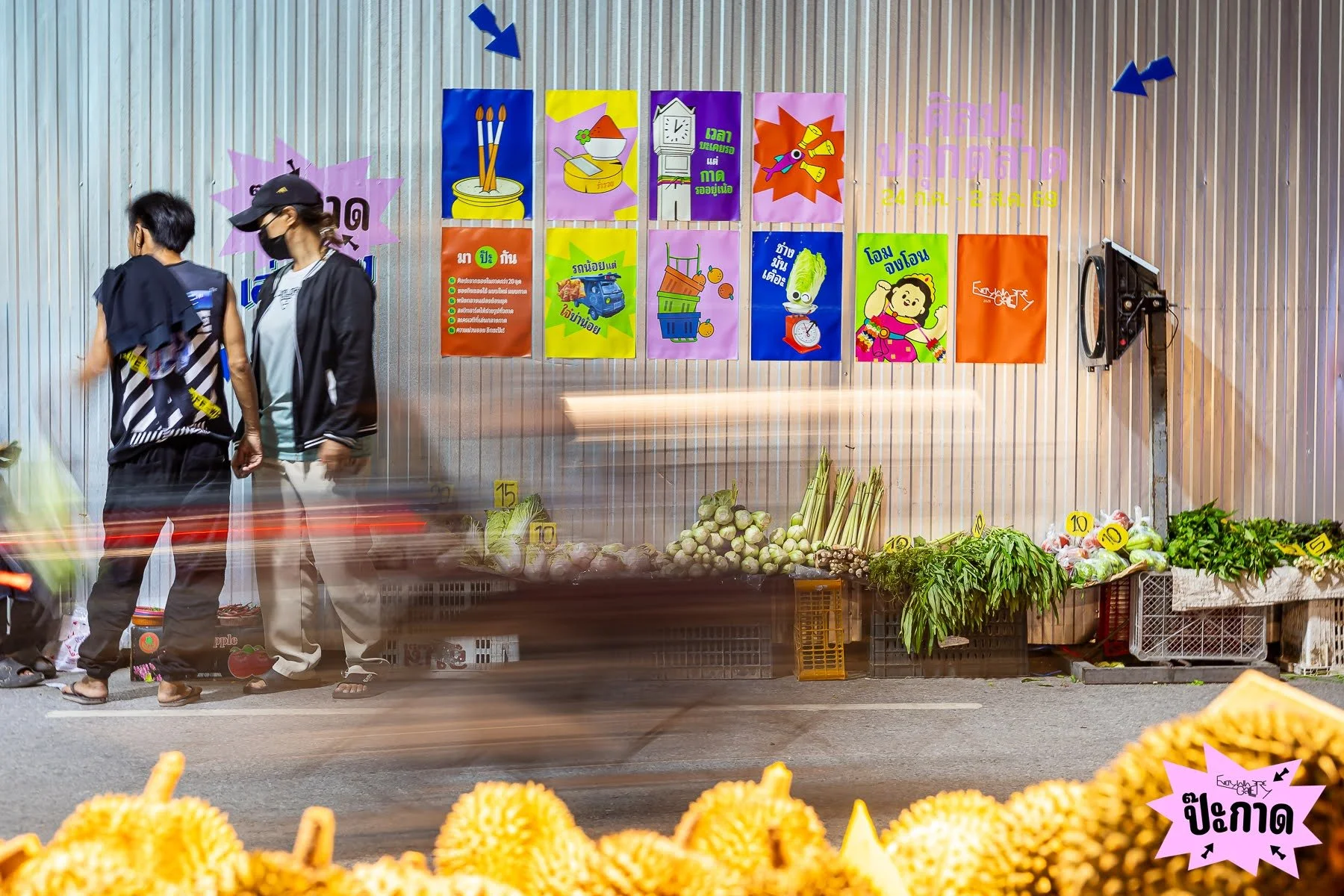
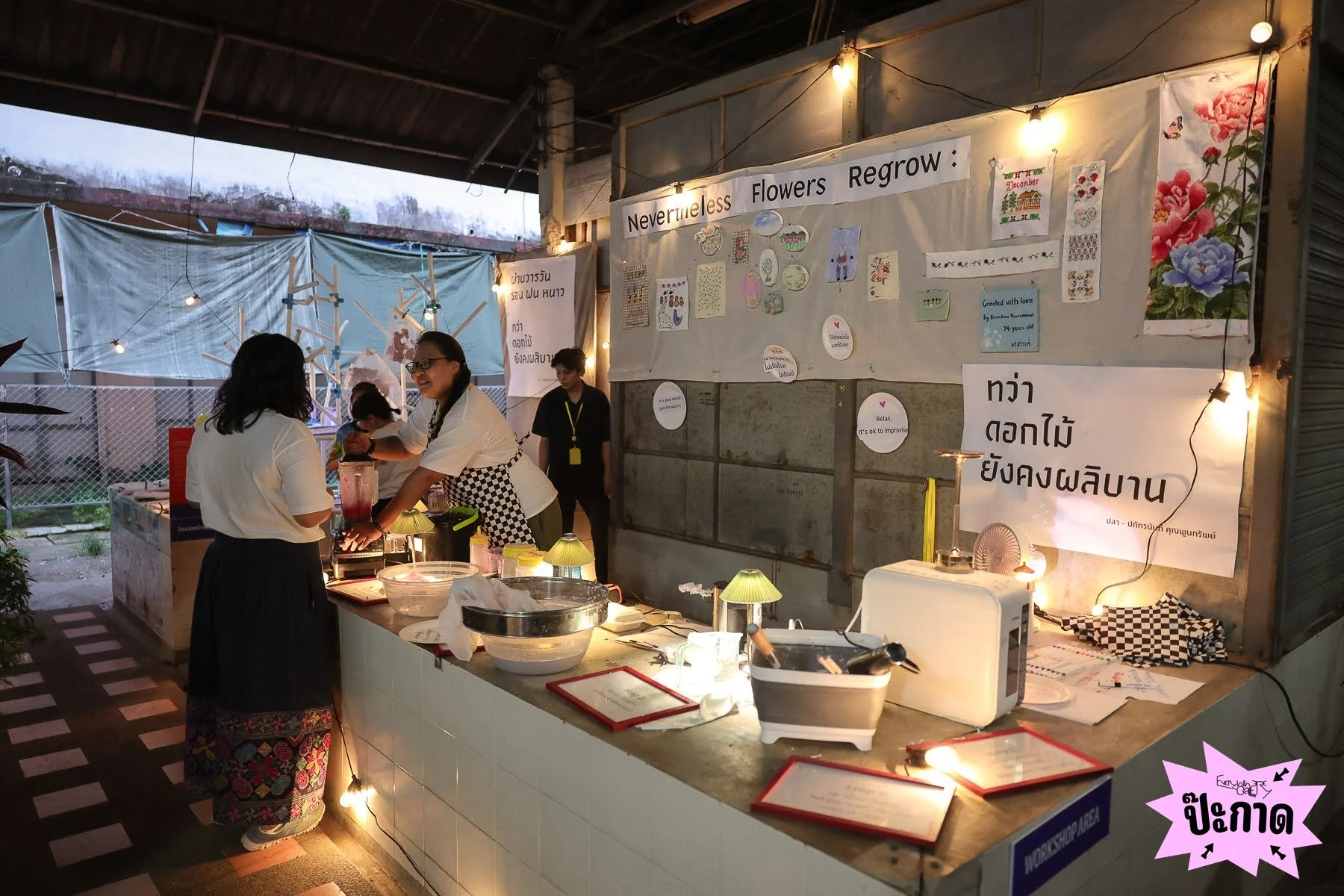
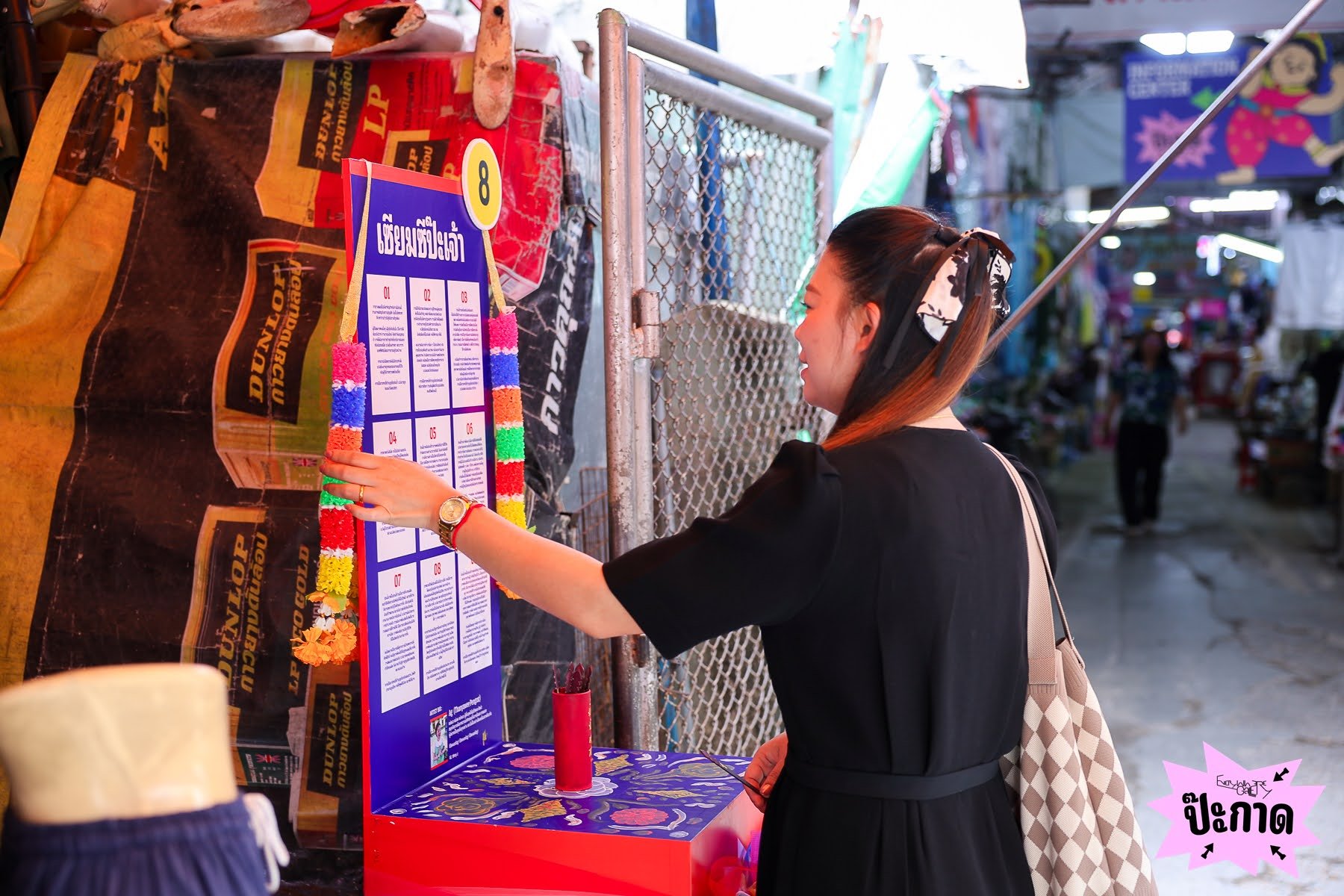
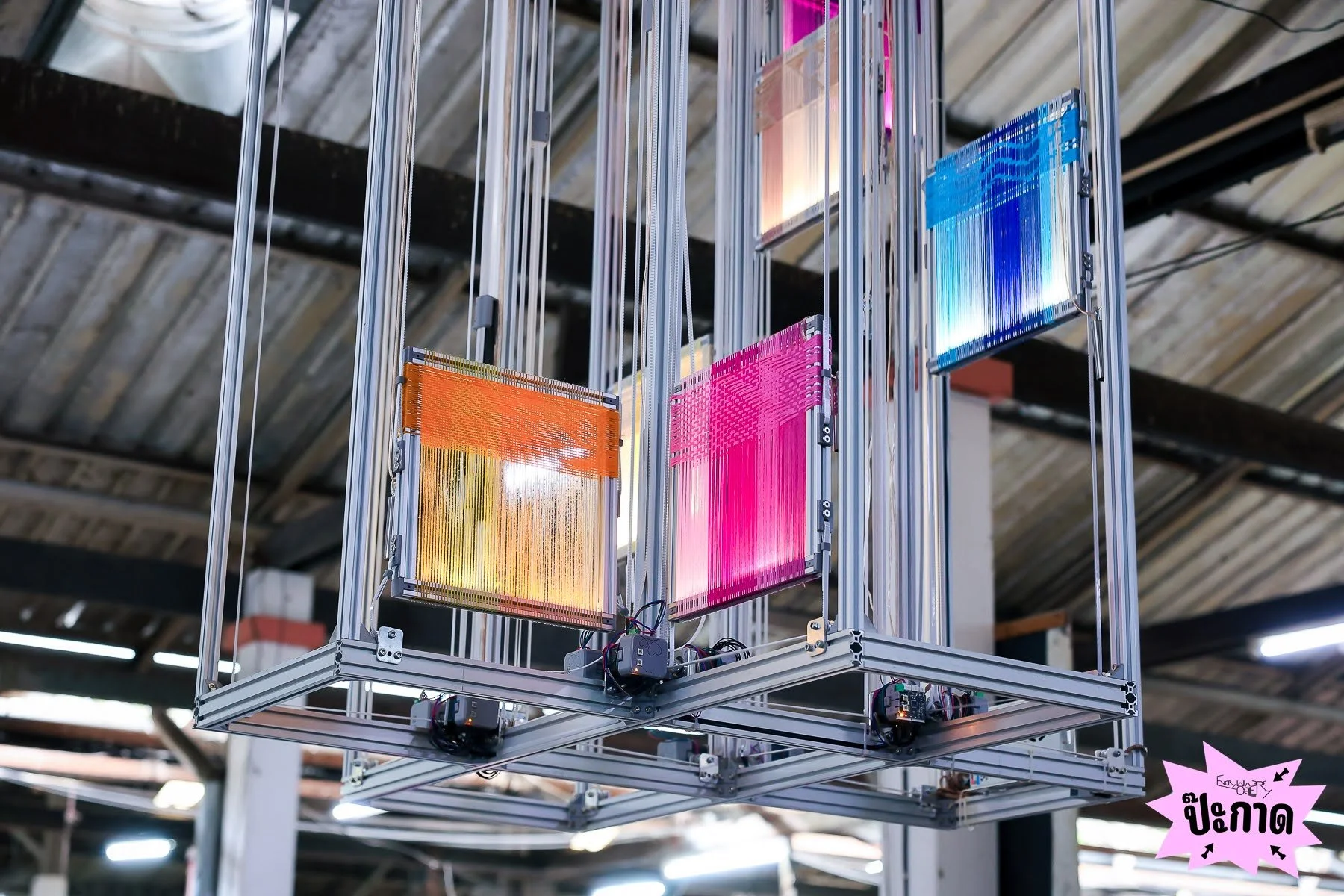
In Thai markets, the word Khong (things/goods) defines human connection: merchants come to Khai Khong (sell goods), while customers arrive to Sue Khong (buy goods). Rather than introducing foreign concepts, the festival embraced these ordinary objects as cultural catalysts. Over 20 contemporary art installations were discreetly woven into the market’s alleyways, vegetable stalls, staircases, and food courts, transforming everyday commodities into vivid storytelling mediums.
Three Exhibition Highlights at Kad Luang
1. Si Hu Ha Ta: The Spirit of Kad Luang
(By Racharin Inthura & Family / Errorsmith by Racharin Lab)
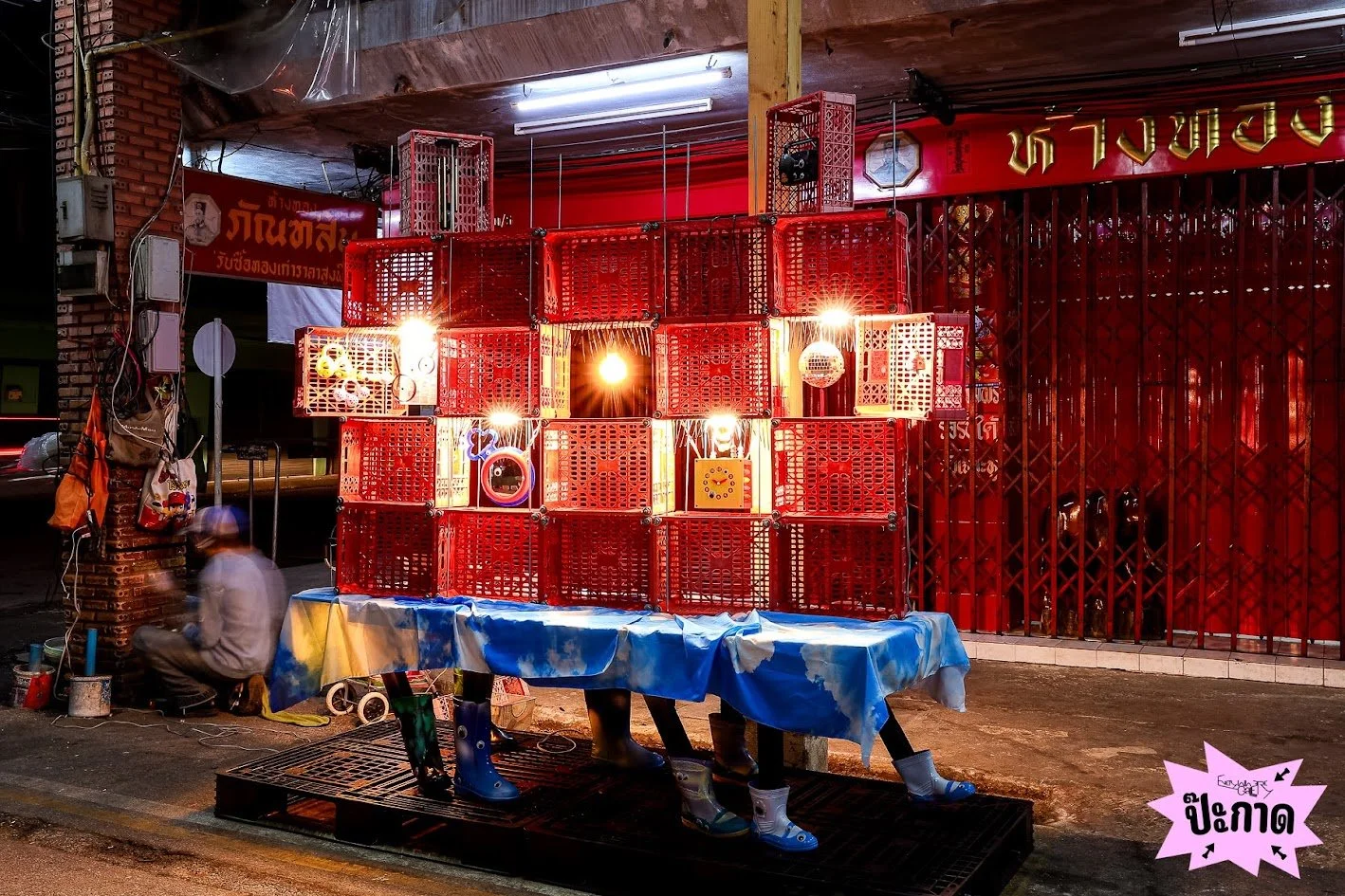
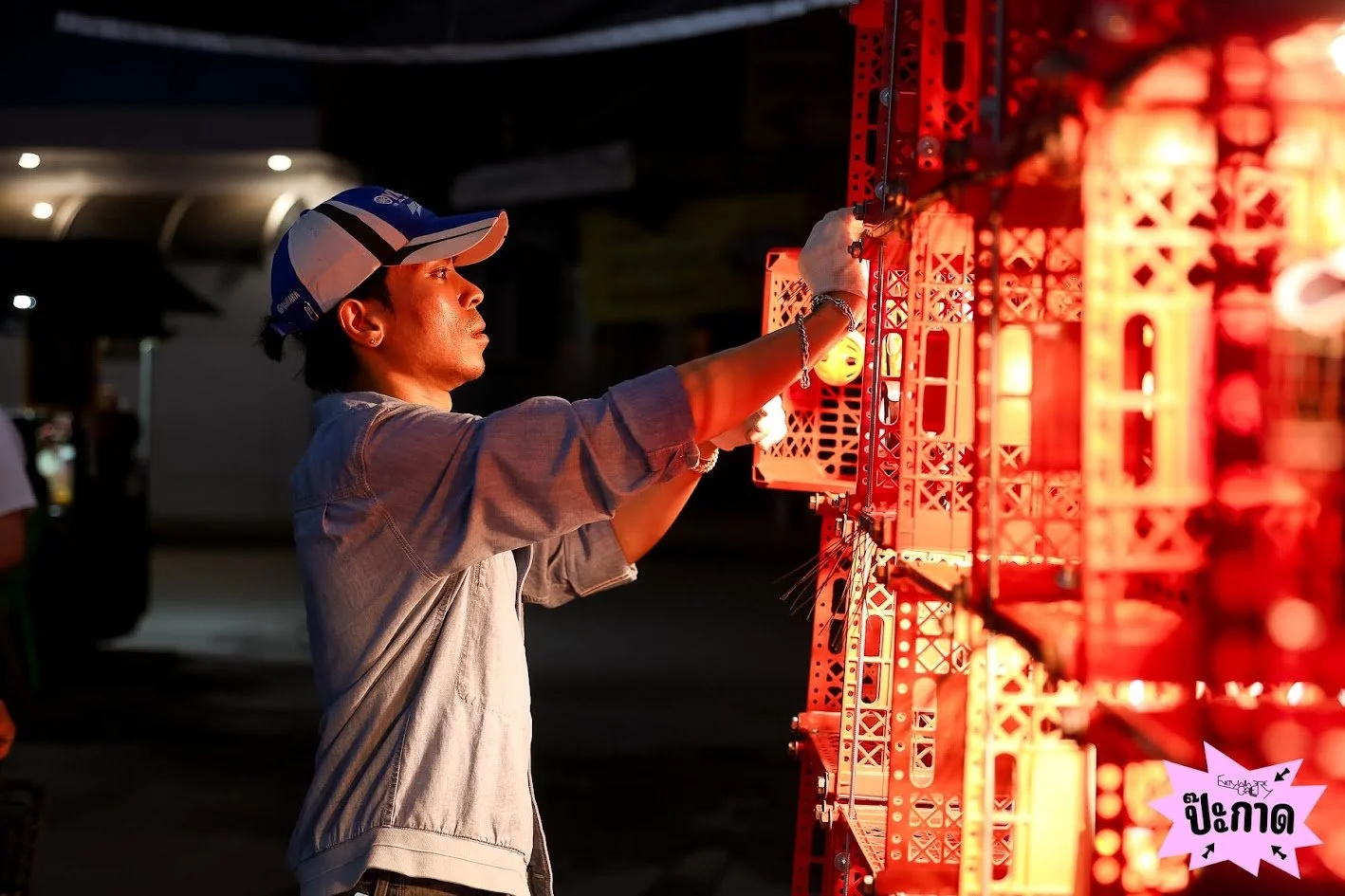
A witty, contemporary reinterpretation of Lanna’s mythical creature, Si Hu Ha Ta (The Four-Eared, Five-Eyed Beast). Its sculpted head was assembled from bright plastic fruit crates used daily by fruit vendors, while local market goods were curated to represent the five eyes and four ears—watching and listening to the joy of market life. Transforming the myth from eating burning charcoal and excreting gold into a playful urban tale of a "sparkling golden fart," the work humorously reminds us that true prosperity arises from the cleanliness, warmth, and sincerity of the market community.
2. The Last Shift
(By Techin Pongjina)
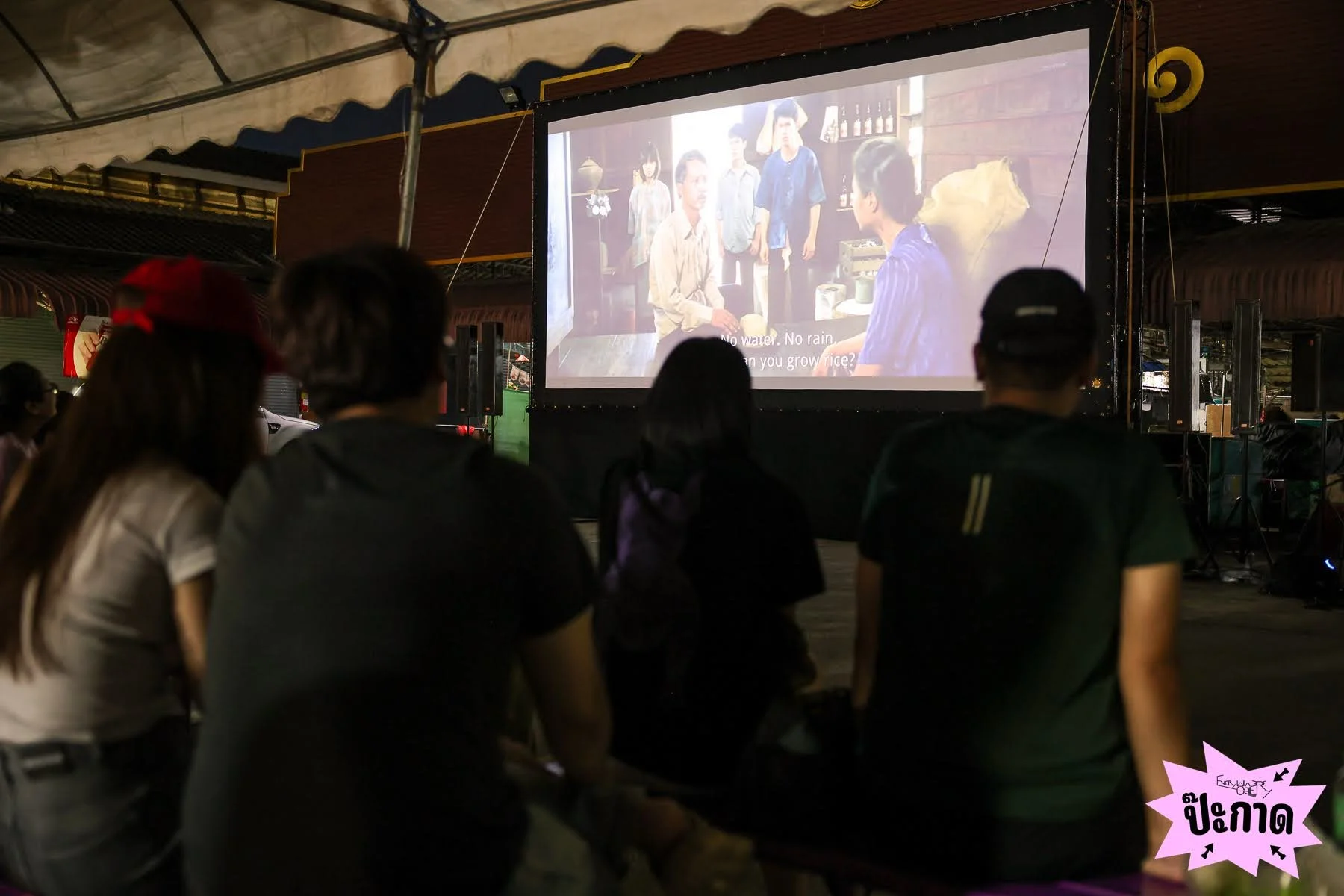
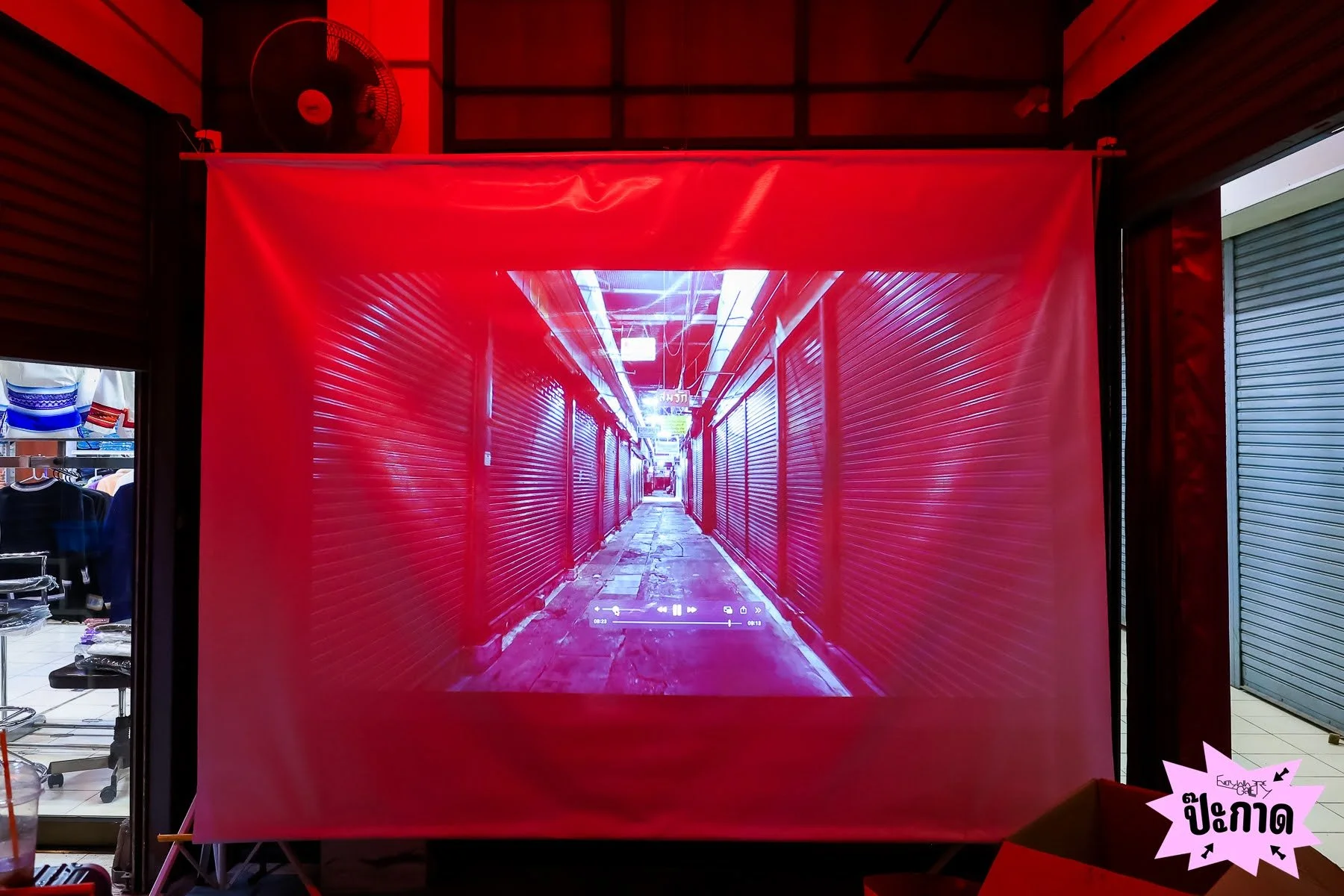
A 24-hour time-record documentary told through the lens of a metaphorical "guardian of memory." Operating like a security guard on patrol, the filmmaker's camera navigates neglected corners and shadows that standard surveillance overlooks. Moving from vibrant dawn deliveries to tranquil midnight hours, the film demonstrates that a fresh market is not merely a venue for monetary exchange, but a vital social vessel holding a city’s collective memory.
3. The Feline Municipality
(By Saksit Singthayom & Surayuth Jitmoneewan)
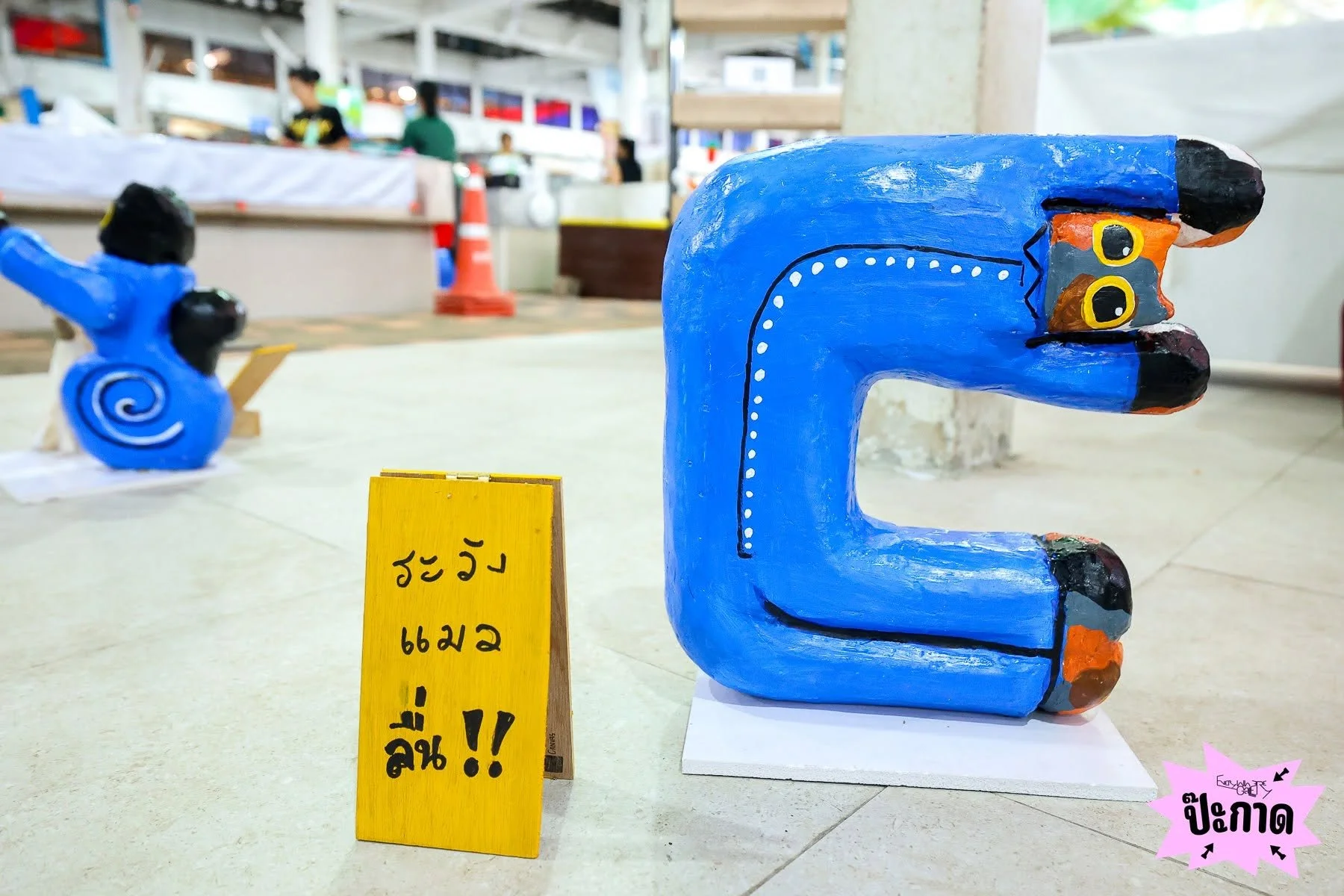
A series of 20 paintings installed throughout the food court. With clever social satire, the artists depict a union of stray market cats establishing their own municipal cleaning unit to maintain hygiene neglected by humans. Placing accessible, endearing animal characters right where people eat prompts both merchants and visitors to reflect on shared public sanitation responsibilities.
Breathing New Life into Urban Heritage
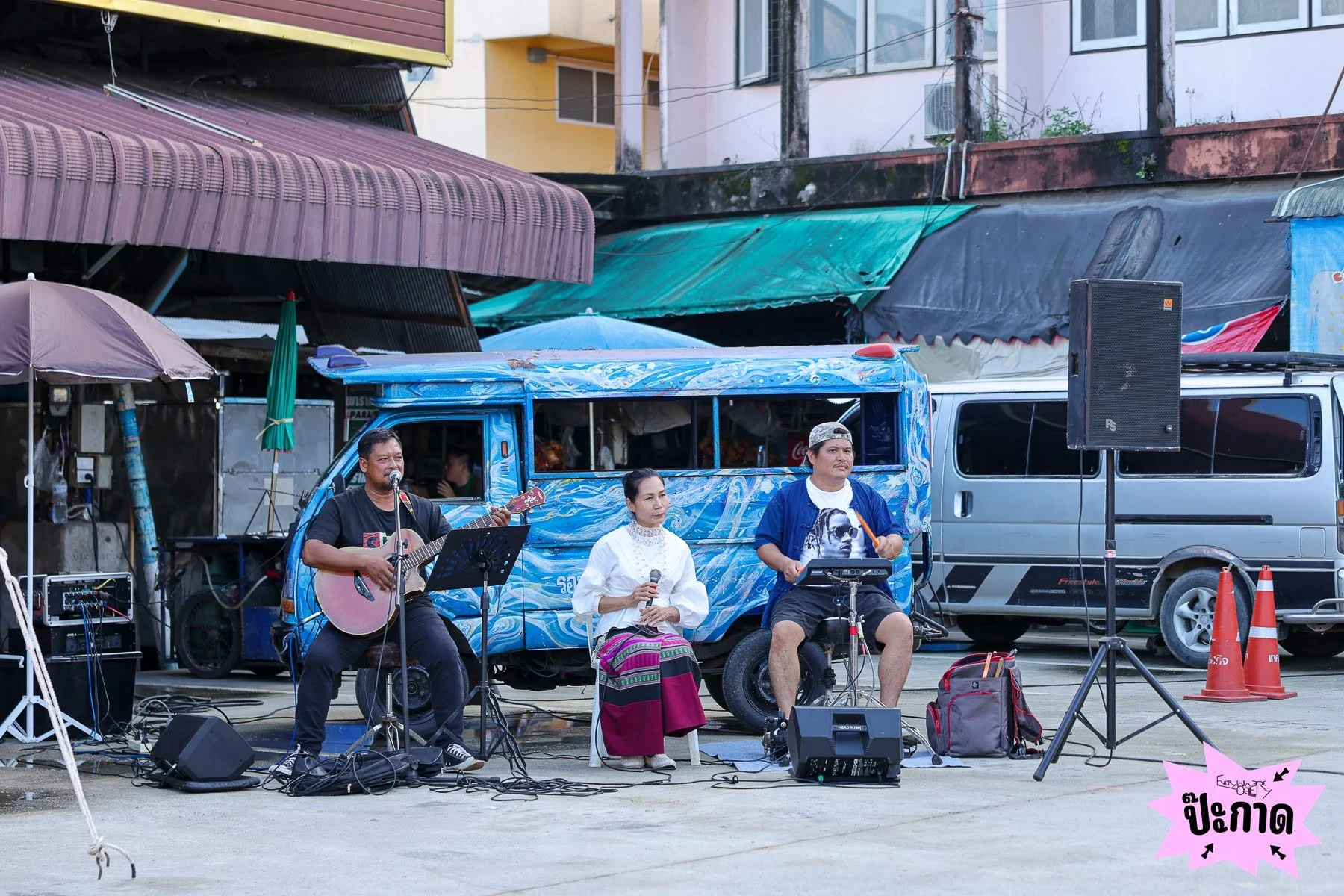
Over its 10-day run, the exhibition drew more than 20,000 visitors, proving that contemporary art can be a dynamic urban engine. By turning Kad Luang into an accessible cultural canvas, Everywhere Gallery demonstrated how heritage districts can flourish as sustainable, creative destinations on the world stage.
(Stay updated via Facebook: Everywhere Gallery)